Consolidate existing virtual machines and modern apps
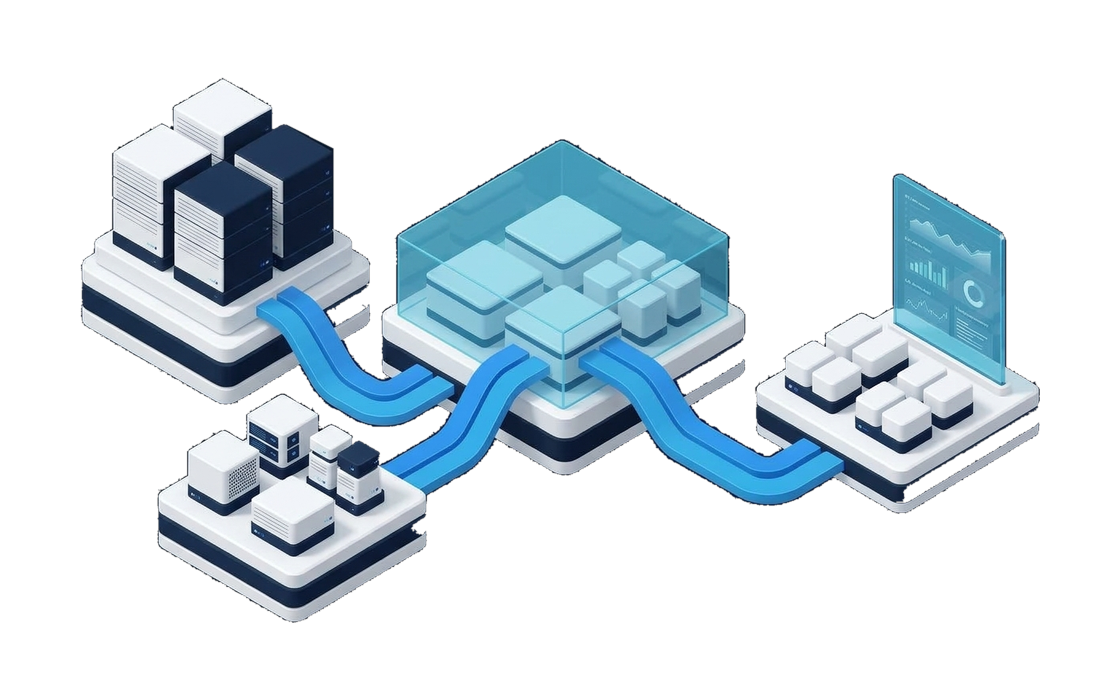
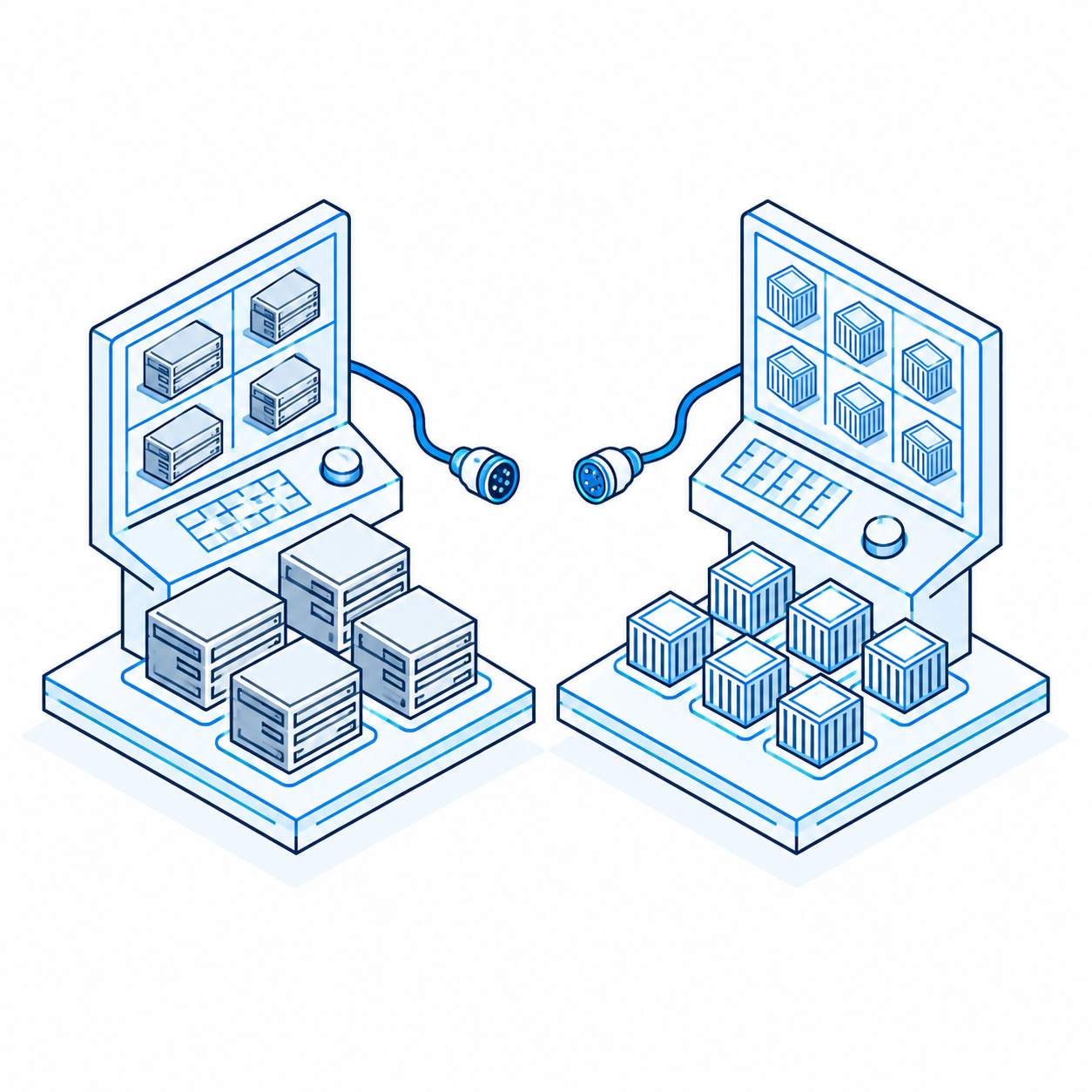
Run traditional Linux and Windows virtual machines alongside modern containers. You can avoid rewriting selected software while reducing reliance on third-party hypervisor licenses.
Rising virtualization fees and rigid cloud contracts limit where organizations can deploy software. GrandView implements Red Hat OpenShift for greater infrastructure flexibility, letting you run VMs and modern containers together with lower licensing costs.
Managing business infrastructure should not mean choosing between expensive hypervisor renewals or locking yourself into a single cloud provider. We help organizations place workloads across validated environments that fit operational and financial requirements.
Run traditional Linux and Windows virtual machines alongside modern containers. You can avoid rewriting selected software while reducing reliance on third-party hypervisor licenses.
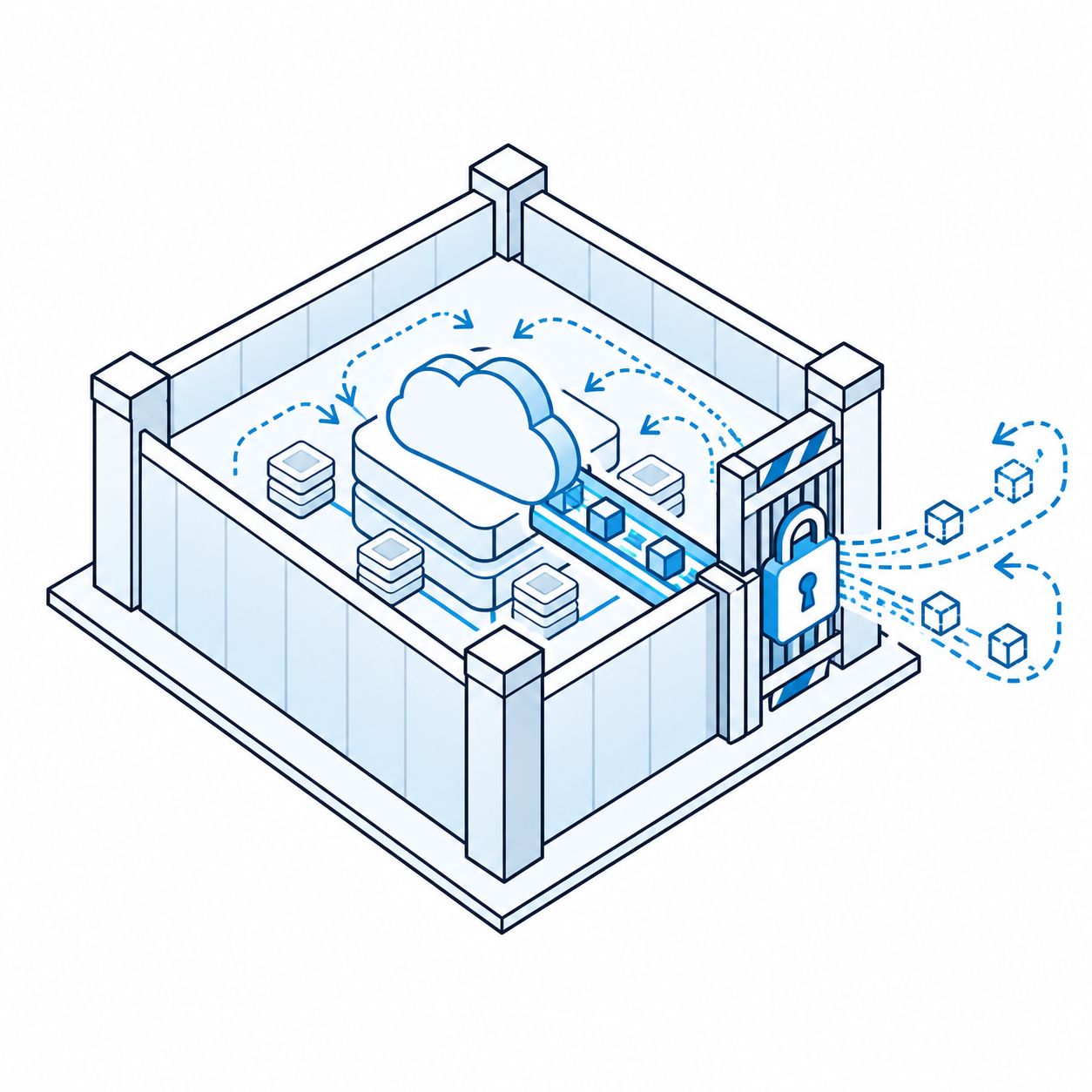
Run software in your private data center, on manufacturing plant floors, or in supported clouds, with security and management controls configured for each validated environment.
Move away from mandatory per-core software packages and unpredictable cloud transfer fees. Red Hat OpenShift gives your company transparent licensing that aligns directly with actual usage.
The result is not another isolated hypervisor stack. It is an enterprise operating foundation that gives your engineers modern agility and protects your procurement budget from predatory renewal jumps.
Discuss your infrastructure priorities →Infrastructure leaders across manufacturing, healthcare, finance, and retail face steep license price jumps, restrictive vendor terms, and fragmented tools.
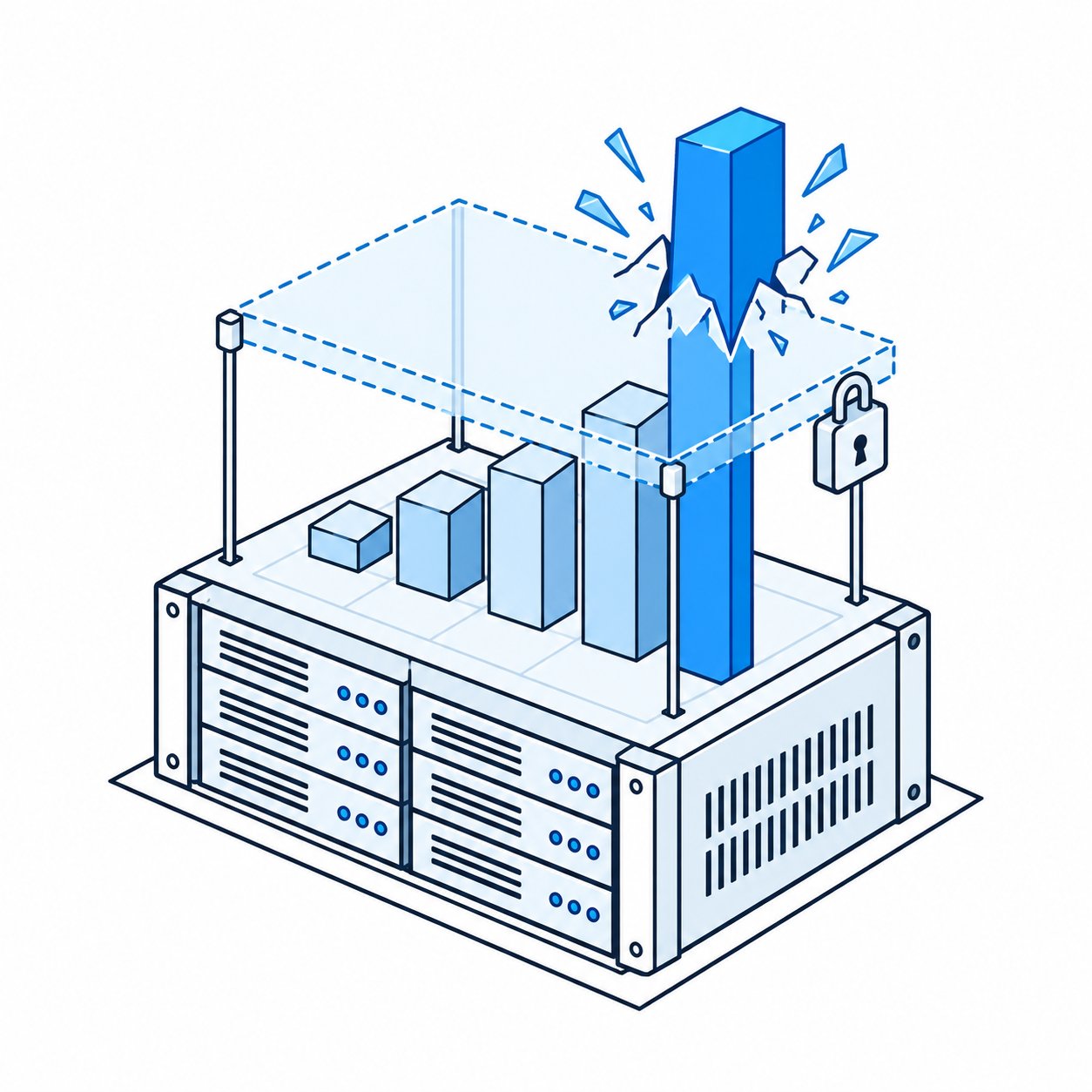
Commercial virtualization vendors have shifted to mandatory per-core bundles. Companies face steep renewal invoices without receiving new operational features, forcing leadership to reconsider their infrastructure budget.
Replace punitive hypervisor bundling with predictable Red Hat subscriptions, regaining cost control while preserving production workload stability.
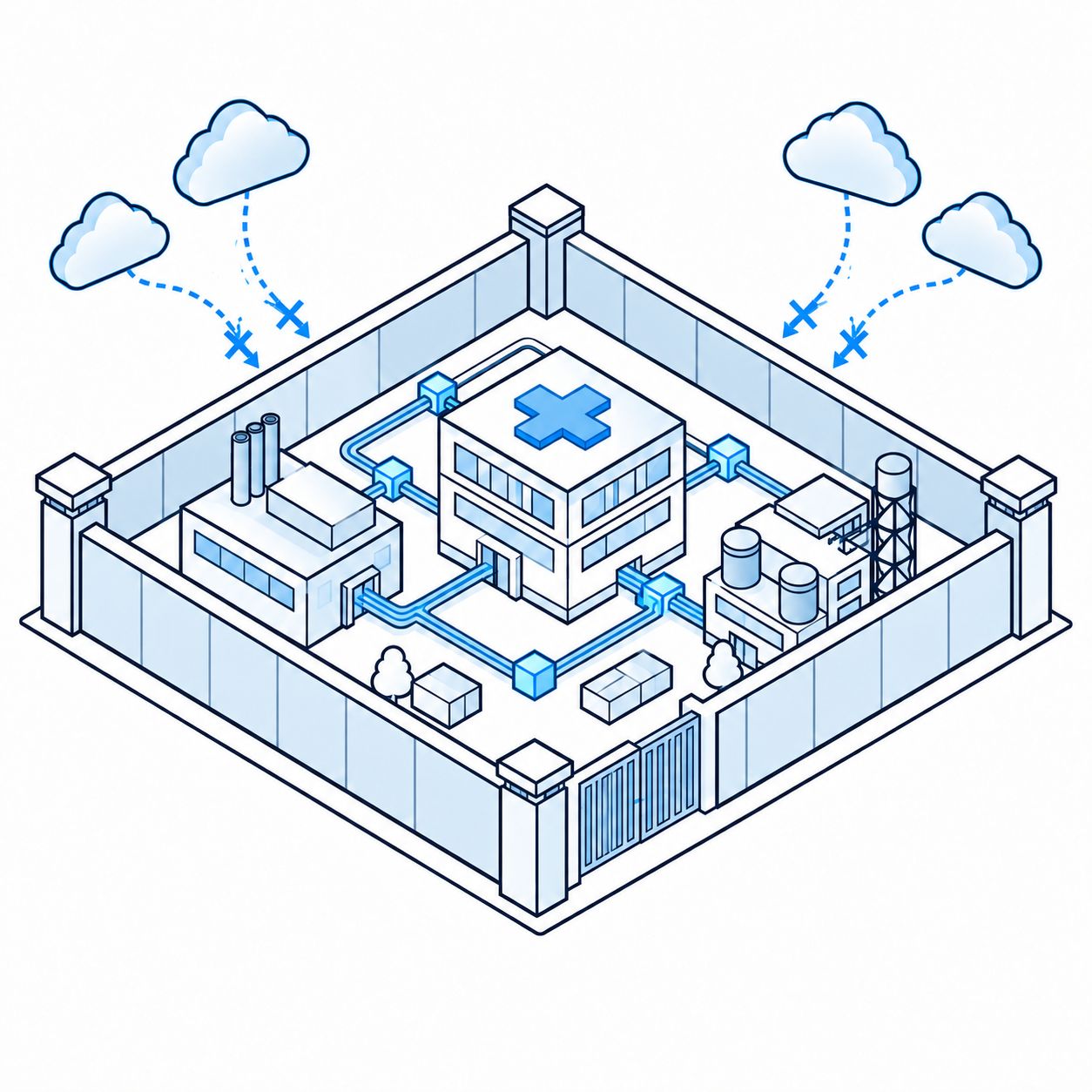
Hospitals must follow strict patient privacy rules, while manufacturing plants need local systems that run reliably even if outside internet connections fail. Pure public cloud setups cannot always meet these local demands.
Deploy identical container and virtualization clusters on local bare-metal or private nodes, preserving low latency and zero data-residency violations.
Managing traditional virtual machines with one console and modern container applications with another wastes staff time. Teams struggle to maintain consistent backups, security rules, and monitoring across two separate worlds.
Consolidate VMs and containers into one unified Kubernetes-native control plane with consistent GitOps pipelines and identity management.
Hyperscalers make it easy to upload data, but charge high fees to move it back to internal servers or across other providers. Companies find themselves trapped in proprietary environments with little bargaining power.
Maintain portable workload architecture across your own hardware and supported clouds, negotiating renewals with genuine infrastructure sovereignty.
A controlled, step-by-step transition
Classify virtual machine and container workloads Validate compute, network, and storage fit Migrate bounded waves with zero unplanned downtime
Because rising hypervisor costs, edge compliance limits, and split operational tooling reinforce each other, GrandView validates your workload compatibility, storage, and migration methods together before proposing an architecture.
Choose a VM-only, application-platform, or extended multicluster edition before migration planning.
| OpenShift Edition | Best Fit | Included Scope |
|---|---|---|
| 01 Virtualization Engine | VMware replacement or dedicated VM consolidation | VM migration, operation, monitoring, and platform services. Run traditional Linux and Windows virtual machines with predictable subscription licensing and zero container overhead. |
| 02 Container Platform | VM consolidation with application modernization | Virtualization plus containers, developer services, Pipelines, Service Mesh, and Serverless. Co-locate existing VMs and modern microservices on a shared Kubernetes substrate. |
| 03 Platform Plus | Larger regulated or multicluster environments | Container Platform plus multicluster management, security, registry, and data services (RHACM, RHACS, Quay, and OpenShift Data Foundation). |
A unified hybrid platform gives each executive clear operational gains, whether managing hospital networks, manufacturing plants, or financial institutions.
Unify virtual machines and containers under one consistent dashboard
Engineering teams maintain disconnected virtualization hypervisors and container clusters, duplicating monitoring tools, backup policies, and maintenance windows.
Consolidate selected virtualization and container workflows. Streamline cluster management, patching, and provisioning across managed physical servers and cloud hosts.
Protect your company from vendor price jumps and cloud lock-in
Proprietary virtualization renewals impose steep multi-year price hikes, while hyperscaler lock-in limits where applications can be cost-effectively placed.
Provide business units with an agile platform across validated environments. Plan workload portability between supported on-premises, edge, and cloud configurations as requirements change.
Enforce consistent security and data residency across managed environments
Security teams struggle to enforce unified access controls, audit trails, and data sovereignty rules across fragmented on-prem hypervisors and multiple public clouds.
Support HIPAA, PCI-DSS, and financial data-residency programs through configurable identity, encryption, and network controls across managed clusters.
Improve predictability of cloud and virtualization costs
Virtualization budgets spike unpredictably due to mandatory per-core bundles, while surprise cloud egress fees create monthly financial volatility.
Replace mandatory per-core license bundles with predictable subscription costs. Avoid runaway data transfer charges by keeping data-heavy workloads on internal infrastructure.
The assessment evaluates your VM estate, licensing contracts, and infrastructure requirements before proposing an edition or migration wave.
Explore the assessment path ↓Edition, target environment, and migration method are selected from workload requirements rather than assumed in advance.
Review workload types, developer needs, operating model, security scope, and multicluster requirements to identify the appropriate OpenShift edition.
Select precisely between OpenShift Virtualization Engine, Container Platform, or Platform Plus based on actual workload architecture.
Validate the target environment and assign cold, warm, or other migration approaches only where technical prerequisites are met.
Prerequisites for MTV, guest OS drivers, storage CSI, and network interfaces are confirmed prior to any migration commitments.
Choose a bounded workload group and define performance, availability, backup, recovery, networking, and operational acceptance tests.
Pilot workloads validate real-world performance, operational tooling, and disaster recovery before broad production rollouts begin.
You receive an objective product fit assessment, a comprehensive migration prerequisites analysis, and a structured first-wave flight plan—connecting infrastructure economics with production reality.
HYBRID CLOUD & VIRTUALIZATION ADVISORY

A detailed assessment documenting your recommended OpenShift edition, node architecture, and 3-year subscription comparison against current hypervisor renewal quotes.
HYBRID CLOUD & VIRTUALIZATION ADVISORY
| SOURCE WORKLOAD | GUEST OS & RUNTIME | MIGRATION METHOD | TARGET STORAGE CSI | READINESS GATE |
|---|---|---|---|---|
| Core ERP Database VMware vSphere 7.0 cluster | RHEL 8.8 / Oracle 19c 64 GB RAM • 16 vCPU | Warm (MTV) • 15m Cutover | ODF Ceph NVMe Block | 100% Ready ✓ |
| Patient Records EMR Portal vSphere 8.0 cluster | Windows Server 2022 IIS & MS SQL Server | Warm (MTV) • Scheduled | Tier-1 SAN SAN-Direct | Prereq Met ✓ |
| Shopfloor SCADA Edge Node Bare-metal factory server | RHEL 9 Real-Time PLC telemetry controller | Cold Shift • Plant Stop | Local NVMe Mirror | Validated ✓ |
| Claims API Services Hybrid web app tier | Microservices / Go REST API & Auth endpoints | Container Native Shift | ODF Shared File PVC | Live in Staging ✓ |
Workload-level readiness audit mapping source hypervisors, guest operating systems, dependencies, storage configurations, and maintenance downtime allowances.
HYBRID CLOUD & VIRTUALIZATION ADVISORY
A pilot execution roadmap defining bounded workload selection, performance benchmarks, backup and DR verification, rollback procedures, and the production go/no-go gate.
From assessment to production hybrid cloudWork with GrandView to turn hypervisor renewal anxiety into a resilient, modern infrastructure foundation.
Schedule an Infrastructure AssessmentThe assessment defines product and migration fit. Pilot and production timelines are scoped after technical prerequisites are validated.
Review workloads, licensing, target environments, storage, network, backup, operating model, and migration constraints after required inputs are available.
Configure the selected platform and migrate a bounded workload group using the validated migration method and acceptance criteria.
Review performance, availability, backup, recovery, security, support, team readiness, rollback results, and operating costs.
Schedule approved workloads in waves based on dependencies, downtime windows, remediation work, capacity, and business priorities.
Bring your upcoming license renewal quotes, cloud bill concerns, or hybrid architecture questions to a direct conversation with our practice leads. No junior sales reps, just practical engineering.
SCHEDULE AN INFRASTRUCTURE ASSESSMENT