
Principal-led delivery
Senior specialists stay involved from diagnosis through implementation.
GrandView helps life sciences teams connect the plans, data, workflows, and decisions behind clinical and product milestones. We work across Pharmaceuticals & Biopharma, Biotechnology, and Medical Devices & Diagnostics, improving the work around established IBM and specialist systems without making platform replacement the starting point.
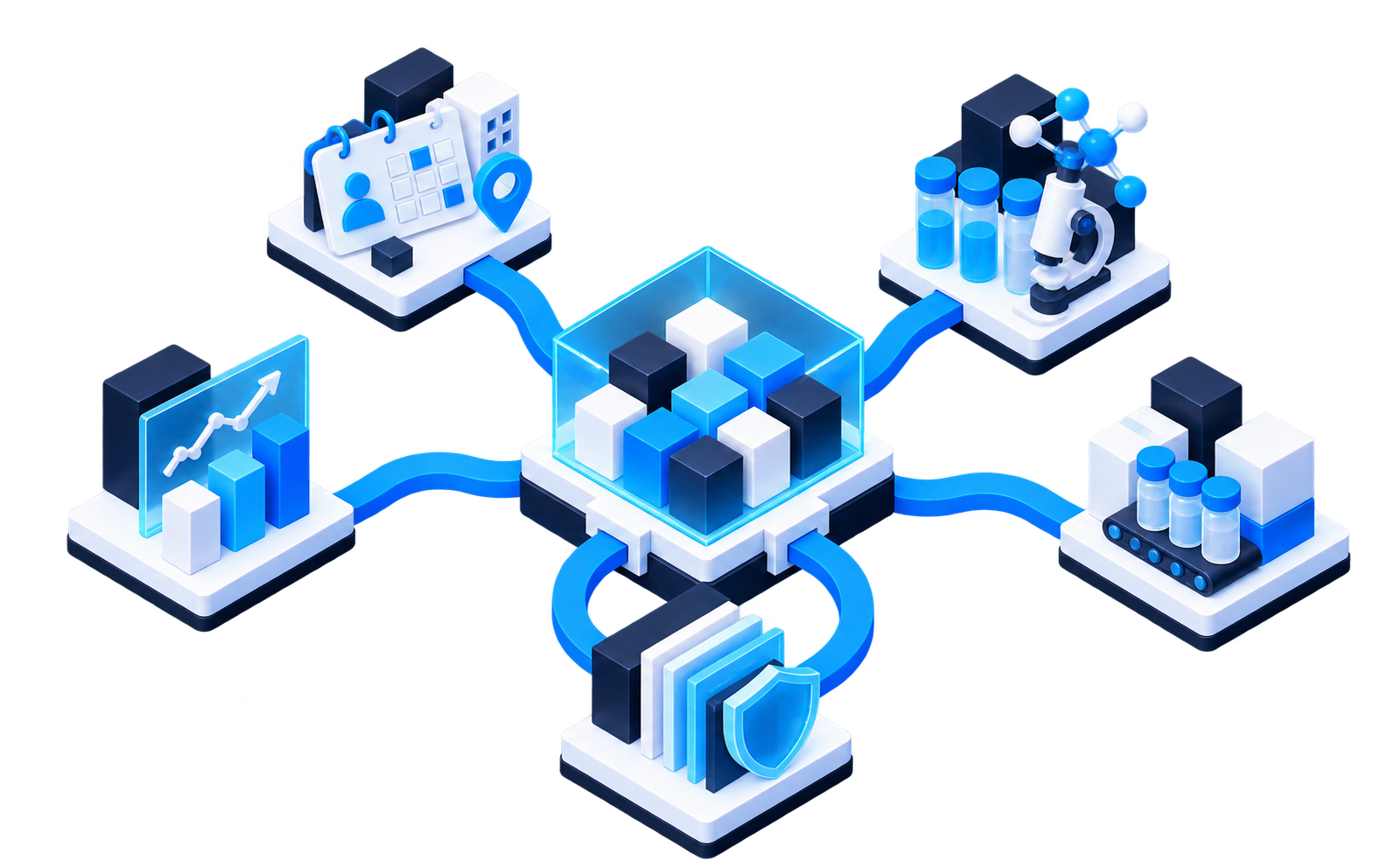
GrandView connects the business question to the systems and delivery work required to answer it. Our experience in planning, analytics, data, integration, and AI governance helps us see where a program problem is really a model, data, workflow, or ownership problem.
Senior specialists stay involved from diagnosis through implementation.
Planning, data, integration, analytics, and platform expertise stay connected.
Reusable patterns and working models show dependencies before implementation.
Select a partnership to see how it supports planning, data, workflow, and platform improvements around established systems.
We connect IBM analytics, data, integration, automation, and AI capabilities to a specific life sciences workflow instead of beginning with a technology program.
We relate platform and hybrid deployment choices to data access, system boundaries, operating policy, and the applications teams already depend on.
Testing, versioning, and change records help teams review releases in Cognos environments used for finance, portfolio, and management reporting.
Life sciences work crosses teams, partners, documents, models, and specialist applications. A decision may begin with a clinical or product event and move through planning, evidence, review, and approval before anyone can act on it.
Enrollment, site activation, protocol, vendor, or product timing can move during a reporting cycle. The financial view often catches up after teams have already started working from the new reality.
Study data, contracts, invoices, quality records, and prior assumptions may each answer part of the question. Review starts after someone finds and reconciles them.
CROs, sites, laboratories, manufacturers, and specialist vendors create data and costs the sponsor still has to understand. Their updates arrive on different schedules and in different formats.
Finance, R&D, Clinical Operations, and leadership may work from different timelines, cost assumptions, or versions of the program before they can agree which view is current.
A delayed site, supplier change, missing document, or unusual quality event may have more business impact than the normal cases around it. These changes often remain in email or manual trackers.
Teams need to know which sources an AI service used, what it was asked to do, how its output was checked, and who approved the next action.
The underlying constraint may be shared. Its business impact depends on the product, company stage, and work being performed.
| Operating challenge | Pharmaceuticals & BiopharmaPortfolio and commercial scale | BiotechnologyClinical-stage biotech | Medical Devices & DiagnosticsProduct and quality lifecycle |
|---|---|---|---|
| Program work | Development, manufacturing, launch, and commercial plans affect one another across a portfolio. | A small number of programs depend on sites, CROs, laboratories, specialist vendors, and the timing of the next milestone. | Product, software, quality, manufacturing, and post-market work continue across the same lifecycle. |
| Business measures | Portfolio value, R&D spend, capacity, launch timing, product performance, and revenue outlook. | Milestone timing, study spend, accruals, cash burn, runway, and the next financing need. | Development spend, resource use, unit cost, quality events, service performance, and product revenue. |
| Decision data | Clinical, portfolio, finance, manufacturing, supply, and commercial views across planning cycles. | Enrollment, site, vendor, milestone, contract, invoice, resource, and cash assumptions. | Product, design, quality, manufacturing, complaint, service, and post-market information. |
| Partner ecosystem | Research partners, CROs, manufacturers, distributors, and commercial partners contribute to the operating view. | Sites, CROs, laboratories, consultants, and vendors create much of the evidence, activity, and cost. | Suppliers, contract manufacturers, laboratories, service partners, and clinical sites affect product and quality work. |
| Improvement priority | Connect portfolio and financial planning across established systems and reporting environments. | Connect program assumptions to cost, cash, runway, and management scenarios as the timeline changes. | Connect product and quality information while keeping specialist systems responsible for their records. |
One program change can cross several executive mandates. The improvement has to make sense to the people responsible for delivery, financial performance, architecture, data, AI, quality, and regulatory control.
Milestones · sites · vendors · delivery
Spend · accruals · cash · scenarios
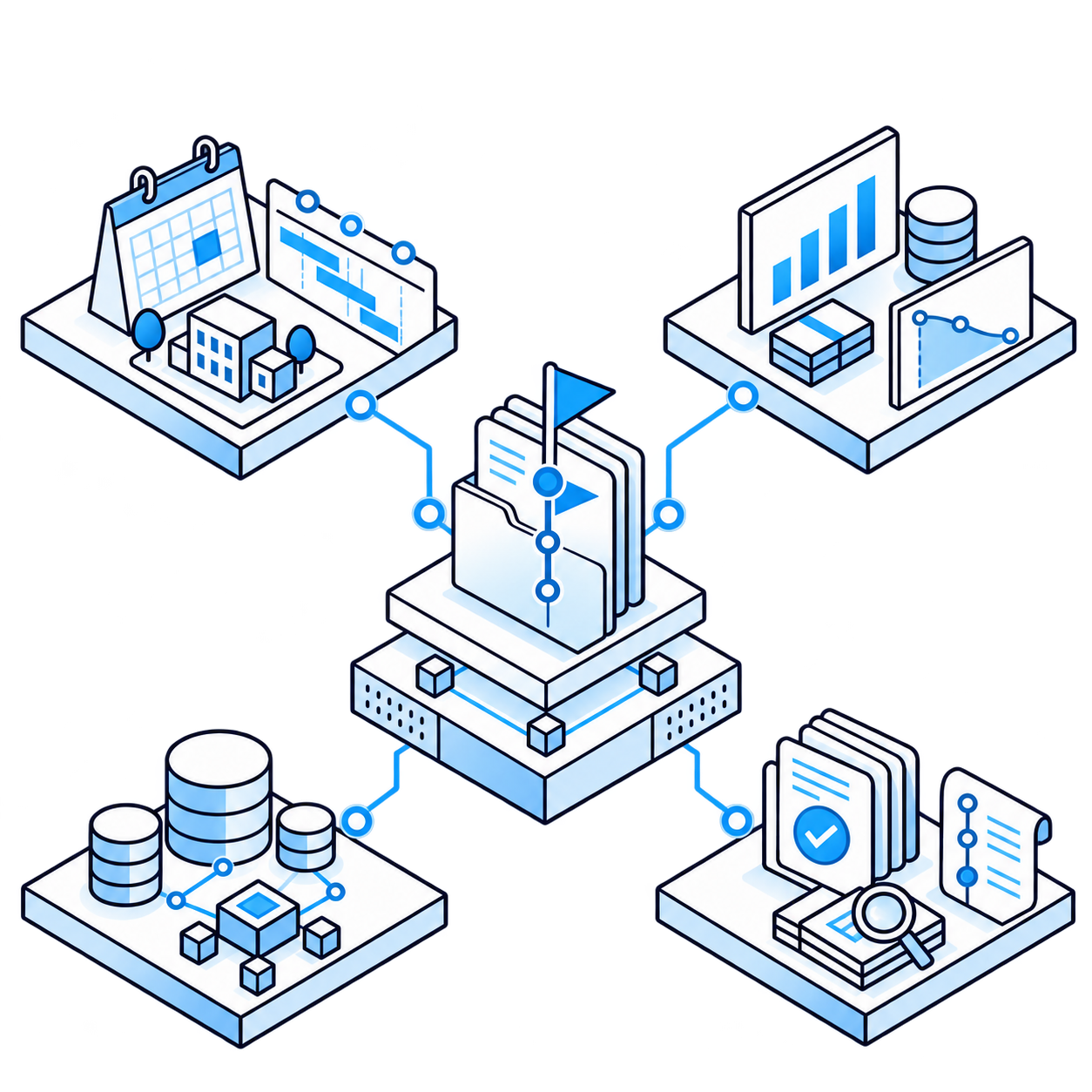
Architecture · access · lineage · model lifecycle
Evidence · review · change history
We diagnose before we prescribe. The engagement begins with the business outcome and the way work happens today, not with a predetermined platform.
Choose one process or decision and agree how improvement will be measured: forecast cycle, manual adjustments, wait time, rework, missing information, or time to an approved answer.
Reconstruct how representative work moves across teams, partners, systems, spreadsheets, and documents. Map assumptions, owners, exceptions, review points, and controls.
Select a bounded flow such as a trial forecast, portfolio review, cash runway model, quality event, supply decision, or defined use of AI.
Test the flow with real roles, representative data, and the exceptions that usually cause trouble. Keep required review and approval with the people responsible for the decision.
Use the result to decide what should expand, what should stay unchanged, and where the next investment will improve the outcome.
GrandView combines the capabilities required by the workflow instead of forcing the entire problem into one product category. The architecture depends on the organization's existing systems, process, data, and controls.
GrandView helps Finance and program teams build or improve models for trial budgets, cash forecasts, portfolio choices, workforce, and management reporting. For clinical-stage biotech, this connects enrollment, site timing, vendor estimates, and program milestones to cash burn, runway, and funding scenarios.
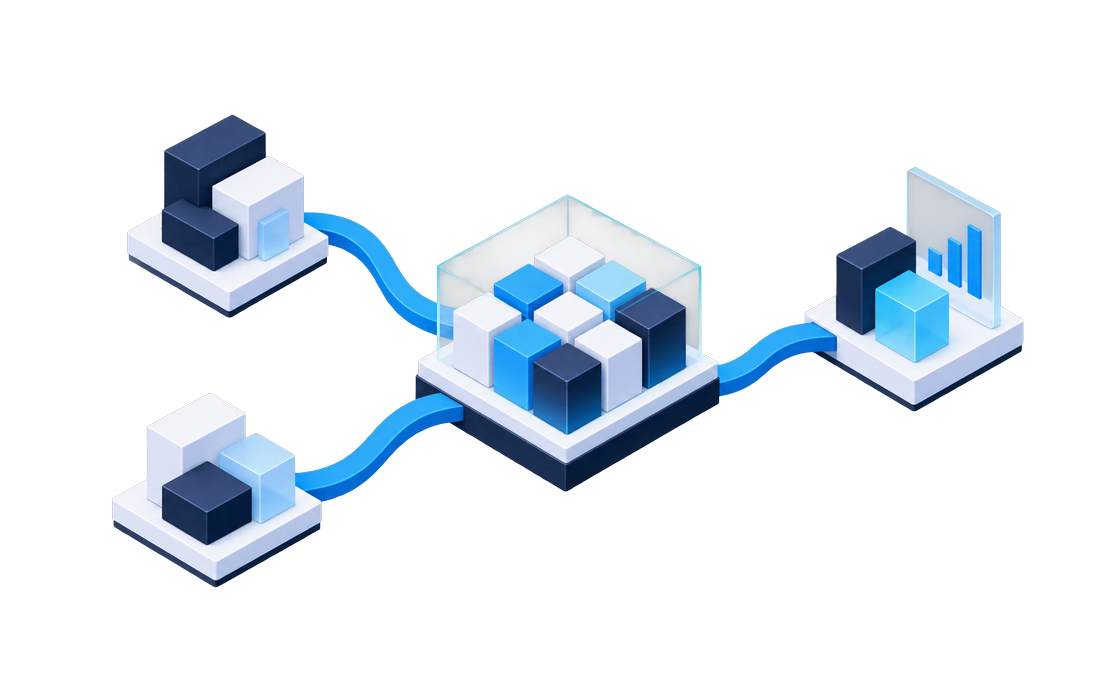
Relevant when a clinical update must reach Finance, a quality event needs several reviewers, or data from a CRO, laboratory, or manufacturer needs a reliable route into an existing process.
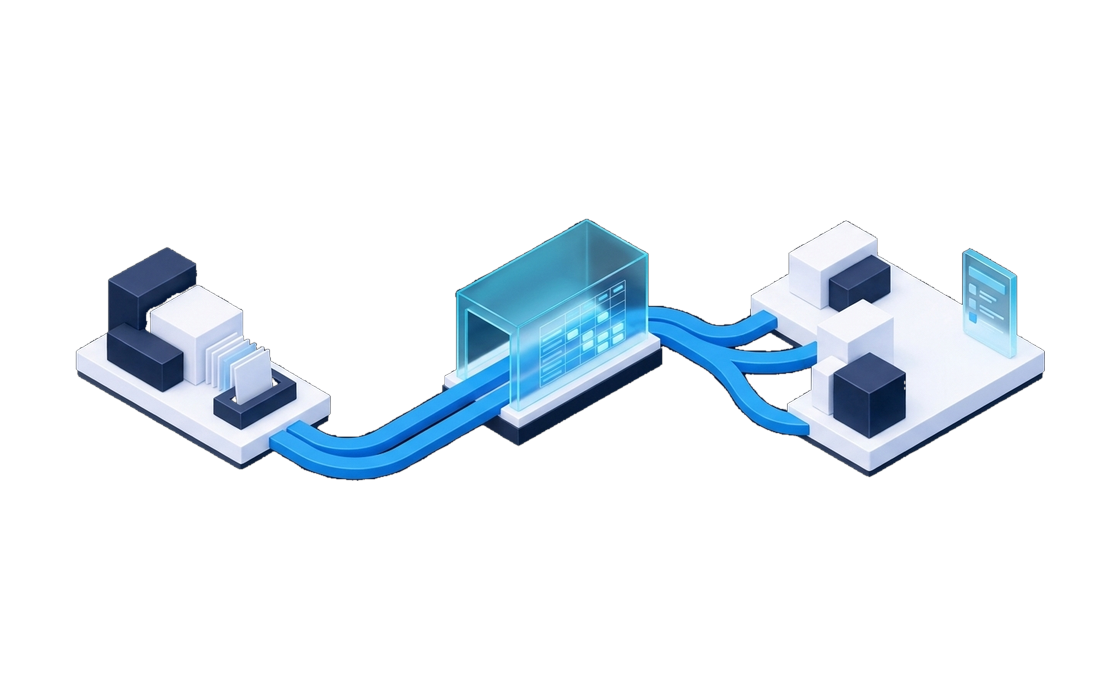
The objective is not to move every scientific, clinical, quality, and enterprise source into one database. It is to make the information required by a defined job available with clear ownership, quality rules, lineage, and access.
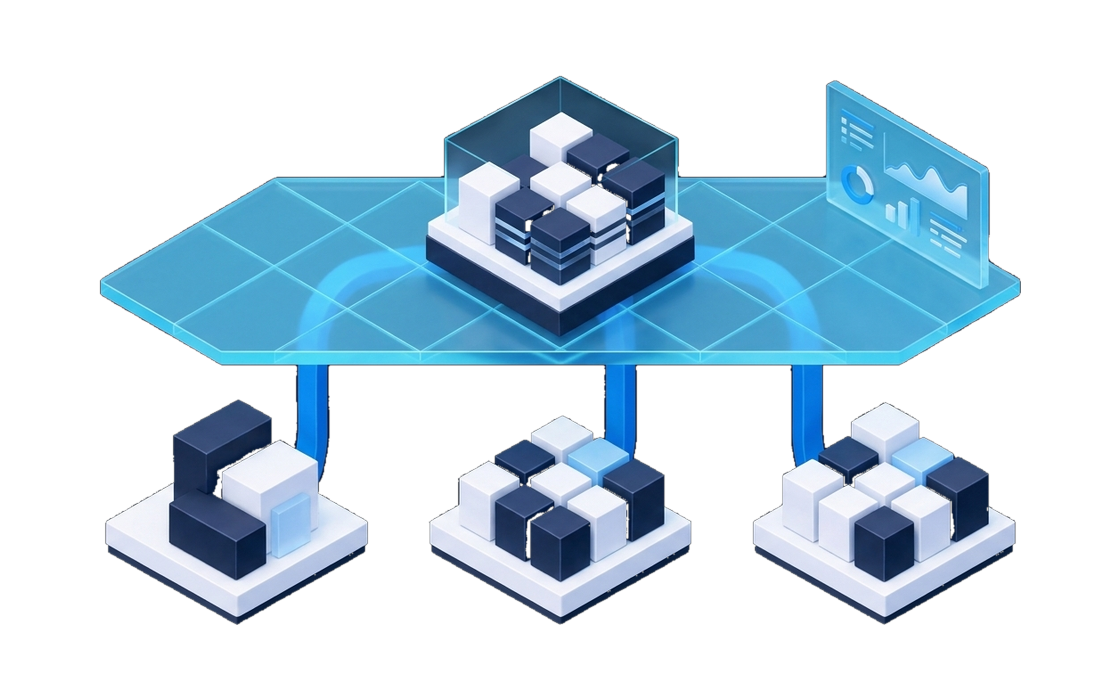
GrandView helps teams give an AI use case named owners, approved sources, evaluation criteria, monitoring, and a record of change. Private AI Search can help people find and summarize approved internal knowledge while keeping the source visible. The qualified expert or business owner still makes the decision.
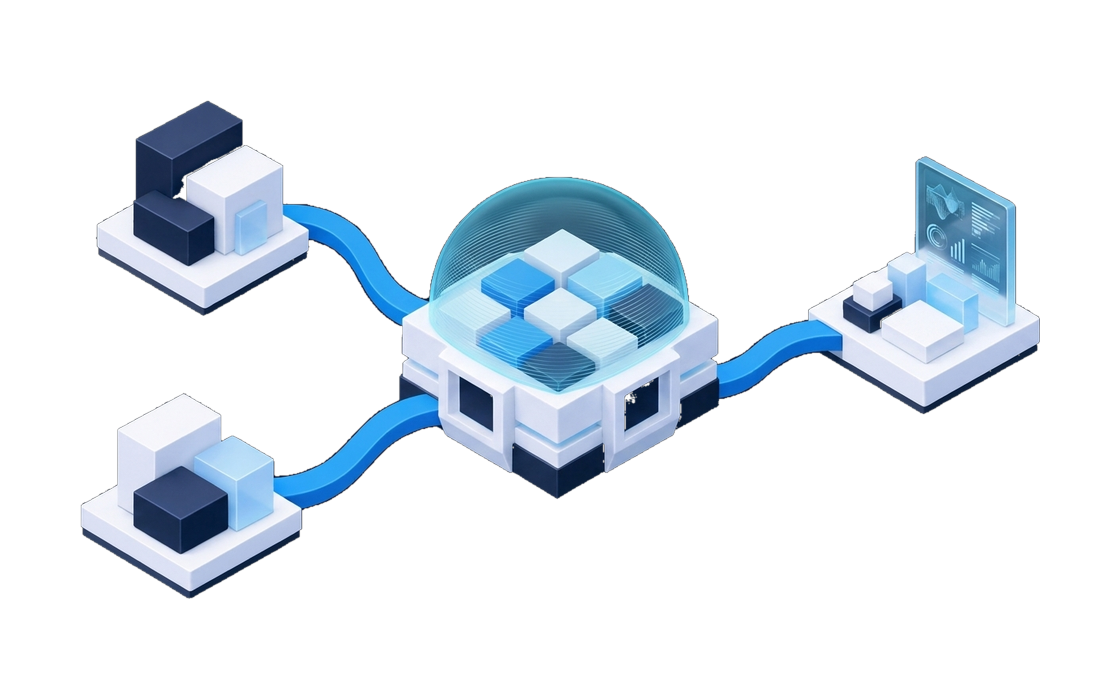
Life sciences organizations often need to retain specialist applications while improving access, integration, and the services around them. GrandView helps define system boundaries, expose selected capabilities, and choose where private, cloud, or hybrid deployment fits the workload.
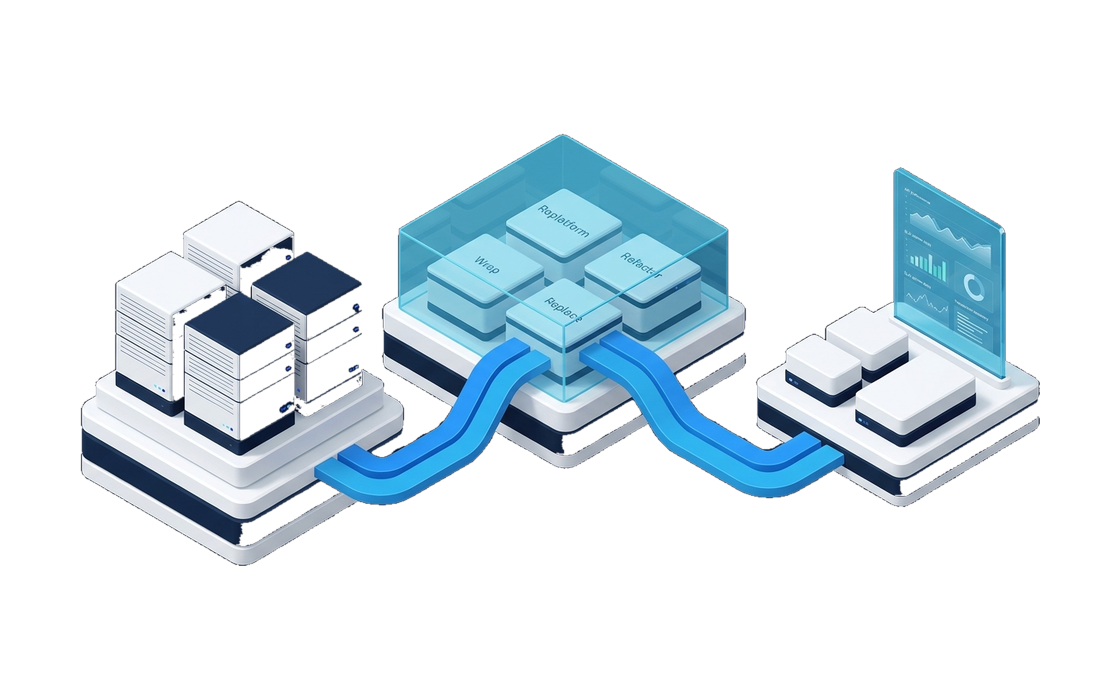
Bring us one plan that keeps falling behind the program, one decision that begins with conflicting assumptions, or one data or AI constraint holding back useful work. We will help you determine whether the issue sits in the model, workflow, data, integration, platform, or operating ownership.
Schedule a Life Sciences Diagnostic
 IBM ecosystem expertise for life sciences planning, data, analytics, automation, AI governance, and platform modernization