Mission-critical financial systems · Zero downtime use case
IBM Planning Analytics & TM1 modernization

When the numbers can’t fail: Modernizing a mission-critical TM1 estate without a single reporting blackout

How a $4B global enterprise with 12 years of mission-critical TM1 models, 45 interconnected cubes, and non-negotiable close deadlines modernized to current IBM Planning Analytics—validating over 3.8 million calculation cells to 100% mathematical parity before cutover, with zero reporting downtime.

Fixed 10-day diagnostic scope. Full rule and feeder audit, performance profiling, and an evidence-based parity roadmap before platform commitment.
IBM Gold Business Partner Grandview builds, optimizes, and maintains planning models for IBM itself.
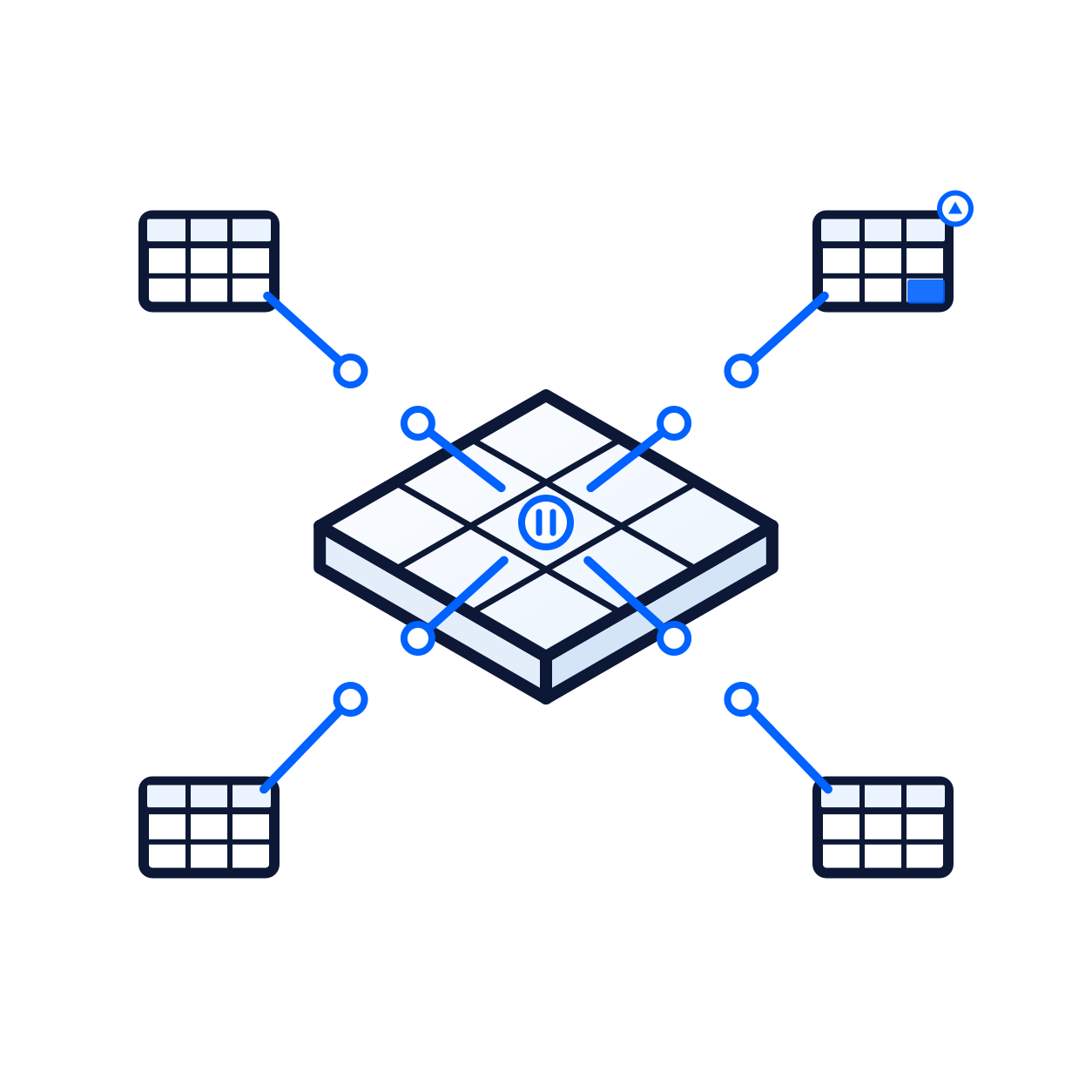
Planning Analytics Workspace · Parity Cockpit
Status: 100% Verified Parity
Cube: Consolidated_Financials
Year: FY26
Period: Q3 Close
Currency: USD Constant
Recalc: 0.008s
Gross Margin $1.428B ▲ 100% Matched
Consol Net Income $412.8M ▲ 100% Matched
Opex Run-Rate $184.2M ▲ 100% Matched
Parity Variance $0.00 0.000% Delta
Cube / Coordinate Legacy TM1 10.x Modernized PA Variance Status
Global_Allocations (FY26.P08) $148,921,402.14 $148,921,402.14 $0.00 100% MATCH
Gross_Margin_Engine (COGS) $892,110,480.00 $892,110,480.00 $0.00 100% MATCH
FX_Translation_Consol (EUR) €412,094,118.52 €412,094,118.52 €0.00 100% MATCH
Capex_Depreciation (MACRS) $41,802,911.80 $41,802,911.80 $0.00 100% MATCH
100%
Calculation parity

Cell-by-cell mathematical match proven across live close cycles before cutover.

0 Min
Reporting blackout

Zero downtime recorded across monthly, quarterly, and board close packages.

85%
Batch time reduction

Nightly TurboIntegrator runtime compressed from 8.5 hours to 42 minutes.

20 Yrs
Principal experience

Average hands-on enterprise architecture tenure of Grandview practice leaders.

The system that runs the company—and the fear that keeps it frozen

A $4B global enterprise operated with IBM Cognos TM1 as its central nervous system. Over 12 years of continuous expansion, the estate grew into 45 interconnected cubes, 300+ dimensions, and tens of thousands of undocumented calculation lines. Inaction seemed safe until the performance cliff hit.

The performance cliff in legacy planning

The performance cliff: 8.5-hour nightly batch pipelines

Nightly TurboIntegrator (TI) data ingestion from SAP S/4HANA took 8.5 hours. A single upstream delay pushed data refreshes into US morning business hours, causing thread locks that crashed live analyst sessions.

Overnight allocation and currency rollups were chained sequentially, leaving zero recovery margin before market open.
The memory tax and reboot delays

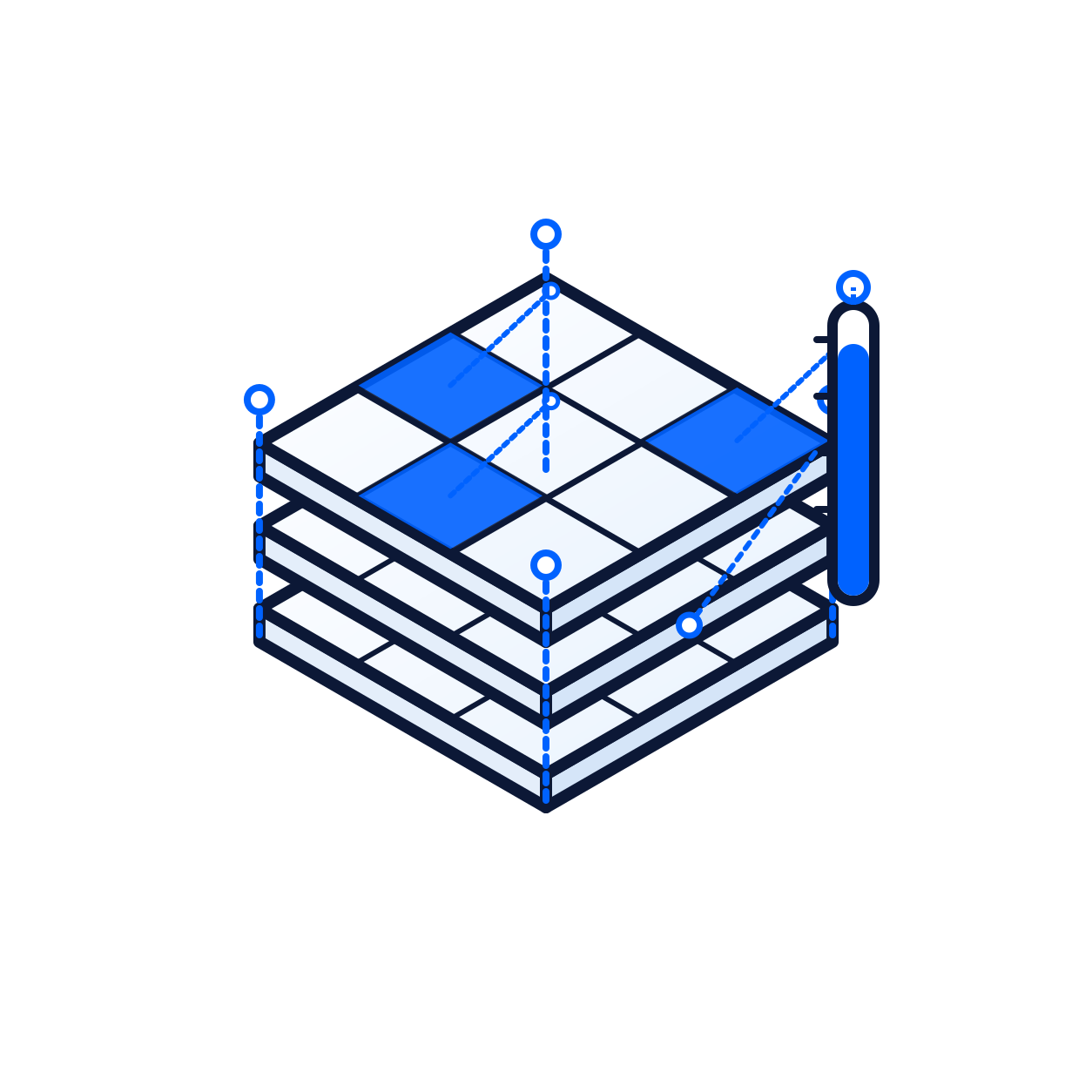
The memory tax: 520 GB RAM consumption and 90-minute reboots

Overfed rules and unpruned feeders flagged empty sparse intersections as populated. Server restarts required an hour and a half, while MTQ thread contention caused widespread lock-wait freezes during forecast submissions.

Model administrators had to manually stagger user access during quarterly forecast cycles.

The executive stalemate and cutover veto

The executive stalemate: CFO vetoing high-risk cutovers

Generalist consulting firms proposed cutovers requiring a 4-day reporting freeze and manual spreadsheet sign-off. The CFO refused: if allocation numbers diverge by even 0.1% during quarter close, board credibility is lost.

Without automated calculation proof across prior closes, replatforming remained permanently stalled.

Shadow reporting explosion across finance

Shadow reporting explosion: 28 disconnected Excel workbooks

Because the central cube locked up during critical hours, FP&A teams across London, New York, and Singapore extracted raw slices into disconnected offline workbooks, manually consolidating EBITDA.

A single uncarried intercompany elimination produced a $4.8M variance between consolidated EBITDA and statutory rollups.

Stage 02 · The breaking point

14 Hours of lock contention $4.8M Reporting variance Inaction was no longer a safe harbor

On Day -1 of Q3 close, a dimension reclassification triggered a massive cache invalidation. Write threads froze worldwide. Regional teams were locked out for 14 hours. The CFO mandated an upgrade—on one non-negotiable condition: zero reporting blackout and 100% mathematical parity before cutover.

03 / Coexistence Architecture. Preserve Core. Validate Parity. Modernize Without Blackouts.
03
Stage 03 · The solution (Part 1)

Keep the core. Modernize without blackouts.

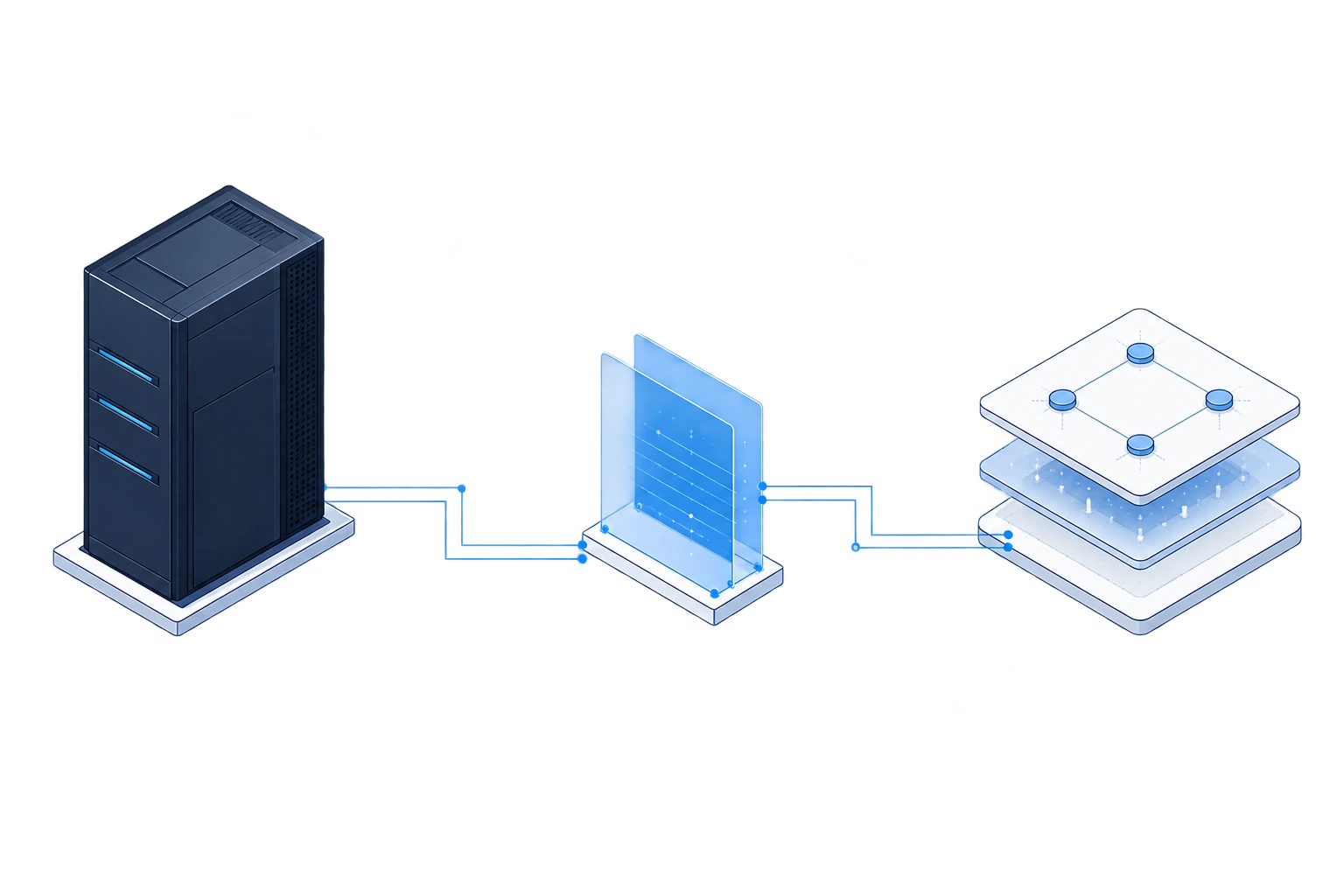
Grandview rejected the high-risk rip-and-replace replatforming model. By implementing our 3-Tier Coexistence Architecture, the enterprise maintained its live TM1 operational core as the undisturbed system of record, while engineering a modernized Planning Analytics target in parallel.

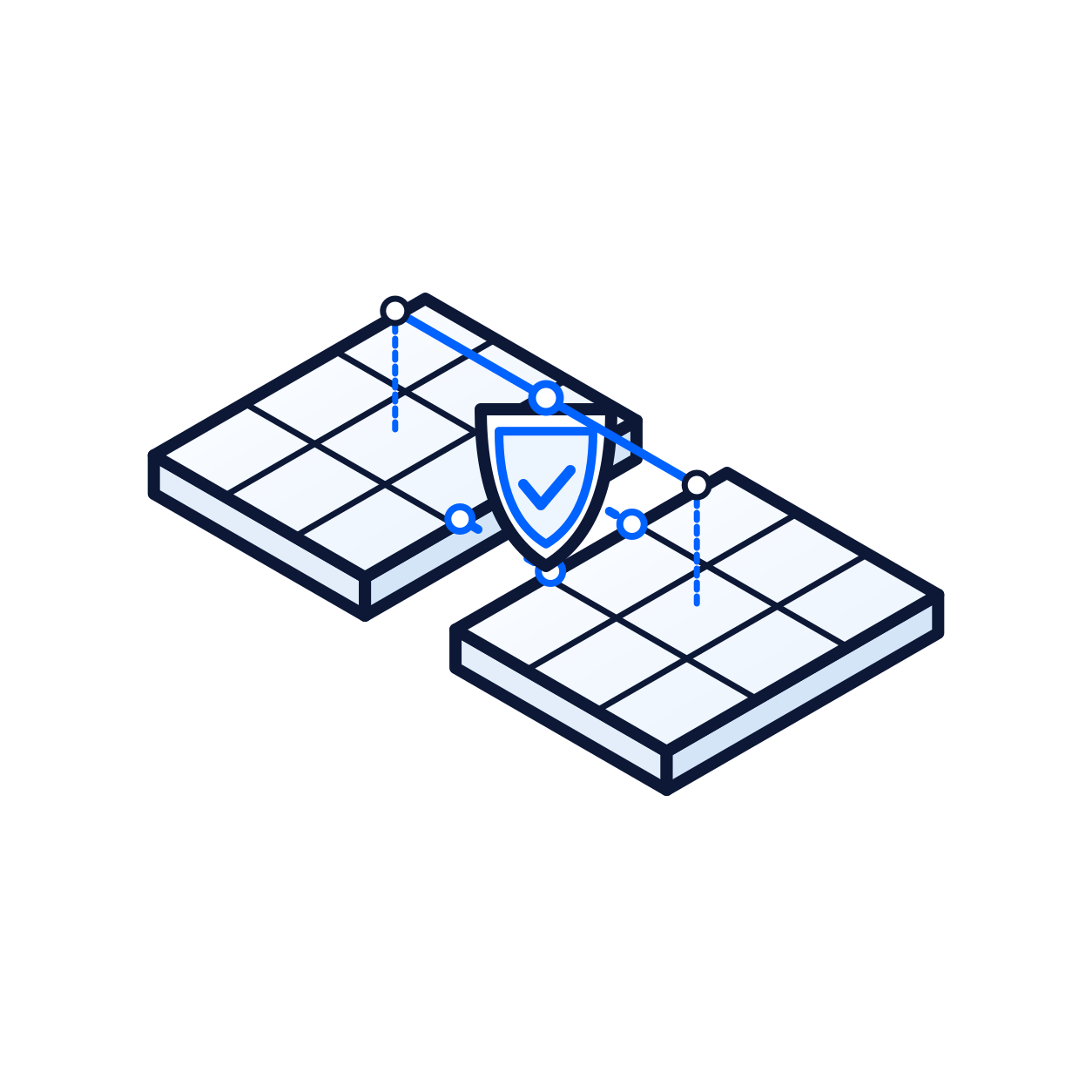
An existing core connected through a blue coexistence bridge to a modern data platform.
Preserve the coreValidate parityExtend to cloud
LAYER 01 PRESERVE WHAT WORKS

Preserved Operational Core

The legacy TM1 10.x environment continues running untouched. Finance conducts daily forecasting and month-end close exactly as always, with zero business disruption.

IBM Cognos TM1 10.2.2 SAP S/4HANA ERP Feeds Existing TM1 Rules & Feeders 45 Live Production Cubes
100% Production Continuity
0 Min Close Process Delay
LAYER 02 INTEGRATION & PARITY

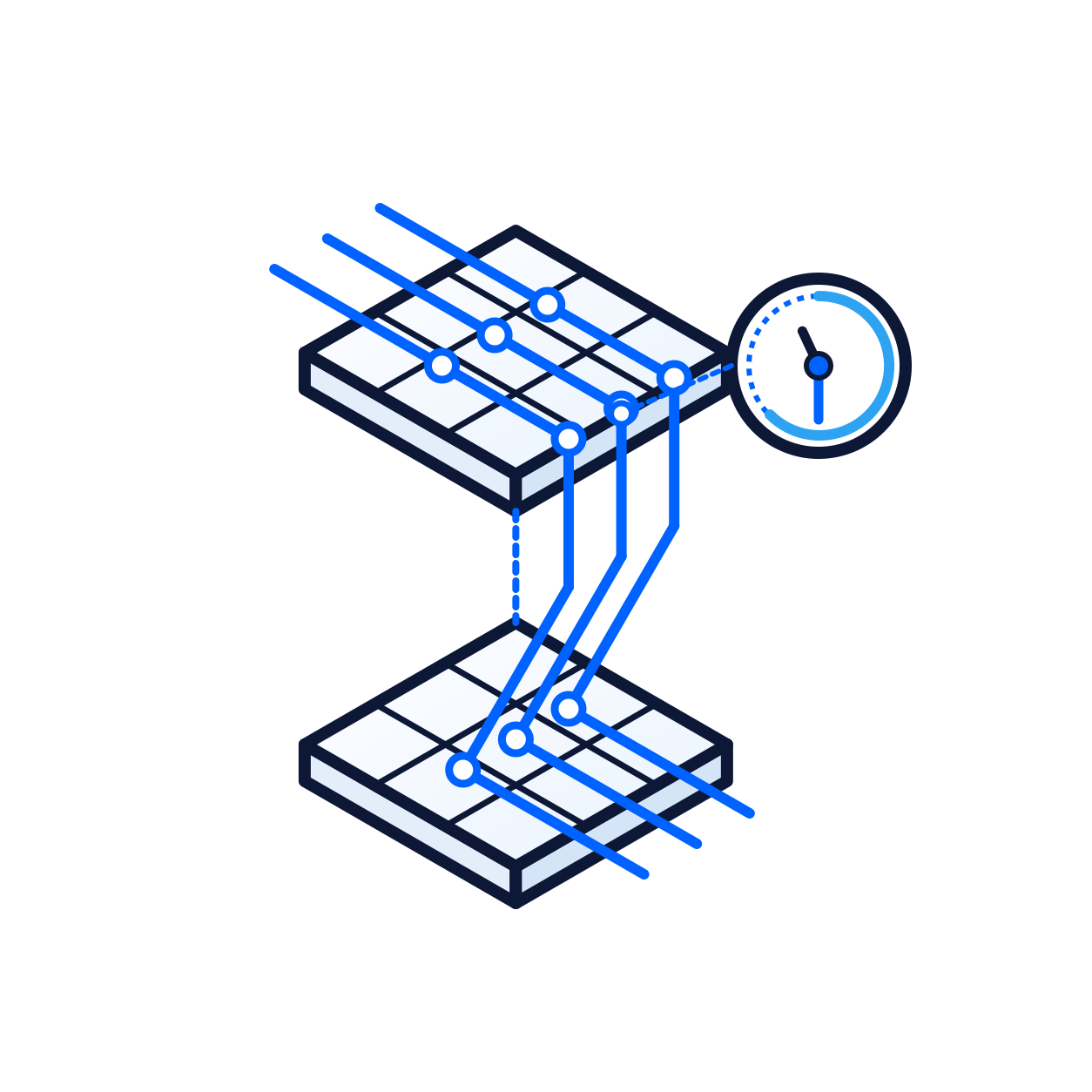
Streaming & Parity Bridge

A non-locking integration and validation harness that extracts multi-dimensional cell slices, re-feeds them into target models, and performs algorithmic mathematical verification.

TM1 REST API Slicing Non-Locking Cell Extraction Algorithmic Variance Triage Certified Audit Logging
3.8M+ Cells Reconciled
0.00% Tolerated Variance
LAYER 03 MODERN PLANNING

Modern Consumption & Analytics

Containerized IBM Planning Analytics 2.1+ with optimized feeder math, sub-second calculations, and native connectivity to Microsoft Fabric and Power BI.

IBM Planning Analytics 2.1+ Planning Analytics Workspace PA for Microsoft Excel (PAfE) Power BI & Microsoft Fabric
4 to 8s Recalculation Speed
62% RAM Footprint Cut

Ready to architect your TM1 coexistence blueprint?

Map dependencies, assess calculation rules and feeder bloat, and agree on the non-locking parity validation coverage your close cycles require.

The proprietary methodology

Decommissioning on proof, not hope: The 4-stage parity engine

We do not ask the Office of the CFO to trust a modernized model because consultants said it was tested. We require every single cell to prove itself against production history across live close cycles before legacy cutover.

Stage 01: Structural archaeology and feeder optimization

Using the Cognos/Planning Analytics Documenter, Grandview reverse-engineers all 45 cubes, mapping every calculation dependency, inter-cube link, and feeder rule. Overfed feeders are pruned, eliminating memory leaks before migration code is written.

Type A · Rounding

IEEE 754 Floating point

Multi-threaded aggregation precision differences < $0.05 on multi-million dollar balances. Auto-reconciled and logged.

Type B · Timing

ETL replication latency

Temporary variance when an upstream ERP batch populates legacy before CDC queue finishes. Auto-tested at equilibrium.

Type C · Logic drift

Formula & precedence delta

Divergence caused by rule ordering or division-by-zero guards. Isolated and routed directly to pod engineer with syntax fix.

Type D · Feeder gap

Missing feeder / underfeeding

Leaf cells match perfectly but consolidated parent shows zero. Engine flags missing feeder path and updates target rule.

04 / Buying Committee Alignment. One Modernization Roadmap. Every Executive Priority Satisfied.
04

One modernization roadmap. Every executive priority satisfied.

Failed replatforming projects stall because Finance, FP&A, and IT fight over competing priorities. Grandview’s coexistence architecture satisfies all three mandates simultaneously.

CFO & FINANCE LEADERSHIP

Chief Financial Officer

Your priority: capital protection, fiduciary control, and zero reporting blackout.
  • Guaranteed continuity: Board and SEC close deadlines remain protected with zero delays.
  • Lower total cost of ownership: Eliminates $1.4M in legacy maintenance, hardware, and shelfware licenses.
  • Signed audit proof: Automated mathematical parity logs certified for internal and external audit.
Zero reporting blackout. Total fiduciary control.
DATA & TECHNOLOGY

Enterprise Architect & CIO

Your priority: technical debt elimination, security compliance, and open cloud integration.
  • Clean architecture: Thousands of undocumented rules refactored into modular, maintainable code.
  • Modern integration: Open REST APIs, Kafka event streaming, and Power BI/Microsoft Fabric sync.
  • Operational stability: Nightly batch windows cut by 85%; server cold reboot time drops to 6 minutes.
Modern cloud integration without midnight support calls.
PLANNING & CONTROL

VP FP&A & Controller

Your priority: rapid calculation performance, scenario agility, and native Excel continuity.
  • Sub-second calculation: Complex allocation rollups drop from 45 minutes to 4–8 seconds.
  • Excel familiarity: Planning Analytics for Excel (PAfE) retains formulas and established macros.
  • Agile forecasting: Create rolling what-if branches without crashing central cubes.
Rapid calculations without shadow spreadsheets.
Stage 04 · The quantifiable impact

The measure of transformation: Legacy stasis vs. modernized velocity

Interactive operational comparison: Toggle between legacy TM1 10.x stasis and Grandview modernized Planning Analytics performance across 4 critical horizons.

Model recalculation speed & concurrency

Before After

Sub-second calculation on multi-cube allocations

35 to 45 min rollups: Users locked out during calculation runs, paralyzing regional finance teams during month-end close submissions.

4 to 8 sec recalculations: Sub-second calculations via optimized feeder math, sparse matrix tuning, and modern multi-threaded query execution.

Nightly TurboIntegrator batch pipeline

Before After

Compress nightly ingestion from 8.5 hours to 42 minutes

8.5-Hour sequential runs: Batch loads frequently overran into US trading hours, causing file lockups and crashing analyst sessions.

42-Minute parallel loads: Parallelized TI processes with automated exception routing, freeing up 7+ hours in the overnight batch window.

Server memory footprint & restart time

Before After

Prune feeder bloat and reduce reboot time to 6 minutes

520 GB RAM consumption: Overfed feeders caused memory bloat; cold server restarts required 90 minutes of downtime during maintenance.

198 GB RAM footprint: 62% reduction in memory consumption through feeder pruning; server cold reboot time reduced to under 6 minutes.

Close continuity & calculation validation

Before After

Zero reporting blackout backed by 100% mathematical parity

High cutover risk: Traditional SI cutover estimated 3–5 days of reporting blackout and manual spreadsheet reconciliation.

0 Min reporting blackout: 100% automated cell calculation parity across 3.8M+ cells with zero downtime across 3 close cycles.

The diagnostic sprint identifies exactly which bottlenecks constrain your models. Modernization follows an agreed scope and cell-by-cell parity validation plan.

Explore the engagement roadmap ↓
05 / Executive Validation. Defined Scope. Reconciled Results. Informed Decisions.
05
Rusty Pennington
Rusty Pennington CFO & PARTNER · GRANDVIEW

Before we change the platform, we need to agree what the numbers must prove — and who is accountable for signing them off.

06 / The Delivery Engine. US Strategic Advisory + Senior European Engineering Pods.
06
ENTERPRISE DELIVERY MODEL

One accountable partner:
US advisory + Senior European pods.

Grandview eliminates the classic consulting bait-and-switch. Your project is led by principal consultants averaging 20 years of enterprise planning experience—supported by dedicated senior engineering pods who build models for IBM itself.

ON-SHORE ACCOUNTABILITY

US Strategic Advisory & Governance

Business and financial-planning advisory connected to the engineering roadmap, with clear ownership of the decisions that shape delivery.

Doug Isbecque
Doug Isbecque
Sr. Manager · Strategic Alliances
Technology Partnerships · Business & Platform Alignment
Steve Johnson
Steve Johnson
COO & Partner
Delivery Operations · Business & Engineering Coordination
Rusty Pennington
Rusty Pennington
CFO & Partner
Financial Leadership · Business Case & Investment Decisions
Daniella Santos
Daniella Santos
Sr. Client Director & Principal
Enterprise BI Strategy · Stakeholder Alignment & Estate Modernization
DEDICATED SENIOR PODS

European Engineering Execution

Senior European Engineering Pods working with US Strategic Advisory as one Grandview capability, from diagnosis through implementation and ongoing improvement.

Andrzej Biesiekirski
Partner & Head of Engineering Delivery
Log-based Mainframe CDC · Hybrid Cloud Streaming · Kubernetes
Rochelyn Sy
Rochelyn Sy
Principal Consultant · Sr. Client Director
Planning & Analytics · Client Strategy & Delivery
01
No Juniors. No Bench.

Principal-level consultants bring an average of 20 years of experience to each engagement. Senior expertise stays connected to delivery.

02
Direct Access to Your Team

Work directly with the consultants and engineers responsible for your planning models, integrations, and business outcomes.

03
Coordinated Working Hours

Agree working hours, review sessions, and escalation paths around your team’s operating needs.

04
Clear Ownership & Controls

Define access controls, documentation, and ownership of delivery artifacts as part of the engagement.

07 / How to Engage. Prove the Value. Validate the Parity. Then Scale.
07

Prove the value. Validate the parity. Then scale.

Engagements are structured into bounded stages with explicit decision gates. You evaluate findings, architecture, and parity evidence before approving the next milestone.

STAGE 01 10 BUSINESS DAYS · FIXED FEE
START WITH DIAGNOSIS

The Diagnostic Sprint

Comprehensive audit of cubes, rules, feeders, TI scripts, and memory bloat. Identifies bottlenecks and delivers the parity roadmap.

TANGIBLE CLIENT DELIVERABLES:
  • Model Archaeology & Dependency Blueprint Map critical models, calculation rules, and reporting dependencies.
  • Rule, Feeder & Performance Audit Identify overfeeding, memory leaks, and sequential batch bottlenecks.
  • Scoped Parity Roadmap Agree on validation criteria, cutover milestones, and fixed pricing.
STAGE 02 PHASED CLOSE CYCLES

Coexistence & Parity Engine

Parallel deployment of target Planning Analytics environment, feeder refactoring, and automated parity testing across live closes.

TANGIBLE CLIENT DELIVERABLES:
  • Target PA Architecture Deployment Modernized containerized environment running in shadow mode.
  • Algorithmic Triage Engine Automated cell slice extraction and 4-category delta reconciliation.
  • Dual-Run Sign-Off Logs Signed controller certificates validating 100% mathematical parity.
STAGE 03 ONGOING ADVISORY & SCALE

Governed Evolution

Direct semantic lakehouse sync to Microsoft Fabric and Power BI, PAW dashboard rollout, and continuous pod engineering support.

TANGIBLE CLIENT DELIVERABLES:
  • Microsoft Fabric & Power BI Sync Live semantic lakehouse integration replacing batch extracts.
  • Planning Analytics Workspace Rollout Self-service dashboards and Excel add-in (PAfE) enablement.
  • Legacy Decommissioning Certificate Complete power-down of legacy TM1 server and maintenance savings.
Fiduciary clarity

Frequently asked questions from CFOs and enterprise architects

Direct answers addressing licensing costs, intentional rule improvements, dual-run analyst continuity, and Microsoft Fabric integration.

Will running the coexistence architecture double our infrastructure and licensing costs?

No. Grandview structures the coexistence period within your existing IBM licensing entitlement or evaluation provisions. Because the modernized target environment is tuned to eliminate overfeeding, infrastructure requirements drop by up to 60%, and the legacy environment is decommissioned domain by domain as parity is signed off.

How does the parity engine handle intentional changes or improvements to calculation rules?

If the business deliberately revises an allocation formula (for example, switching from headcount-weighted to square-footage-weighted facilities allocation), the Parity Engine allows administrators to define Intentional Variance Baselines. The system reconciles the delta, verifies mathematical accuracy against the new formula, and documents the business rationale for audit.

How do we prevent analysts from getting confused during the dual-run phase?

Analysts continue working in their familiar TM1 interface until their specific planning domain passes validation. Once parity is certified and signed off, user access switches seamlessly between planning cycles (e.g., Q1 ends in legacy TM1; Q2 opens in modern Planning Analytics), accompanied by role-based enablement.

Can we connect the modernized TM1 estate to Microsoft Power BI or Fabric?

Yes. A core advantage of Grandview’s modernization is replacing proprietary TM1 ODBC extracts with direct REST APIs and semantic lakehouse bridges, enabling live plan-vs-actuals reporting in Power BI without batch latency.

Stop postponing the upgrade. Eliminate the risk before you commit.

You do not have to choose between living with fragile legacy performance and risking a reporting disaster during month-end close. Let our senior practitioners audit your model architecture, identify feeder bloat, and show you exactly how to achieve 100% calculation parity with zero blackout.

Rochelyn Sy
Rochelyn Sy Principal Consultant · Grandview
IBM Planning Analytics & TM1 Gold Partner expertise